When is it Time to Replace Our Seating System?


When is it Time to Replace a Special Needs Seating System?
Finding the perfect adaptive seating system is a major victory for your child’s comfort, health, and daily engagement. However, therapeutic seating is never a "set-it-and-forget-it" solution. Individuals with special needs are constantly changing, and their equipment must evolve with them to maintain proper physical support and safety.
As a caregiver, it can sometimes be difficult to tell if a seating system just needs a few adjustments or if it is time for a complete replacement.
To help you navigate this, our team of pediatric therapists has put together a comprehensive checklist of the key growth, postural, and mechanical signs that indicate it’s time to replace your seating system.
1. Clear Signs Your Child Has Outgrown the Seat
The most common reason for a replacement is simply that your child's physical dimensions have changed. Keep a close eye on these key areas:
- Seat Width: When your child’s hips or thighs are pressed tightly against the lateral supports or armrests, the seat is too narrow. A proper fit should allow room for natural movement without causing friction, pressure points, or restricted circulation.
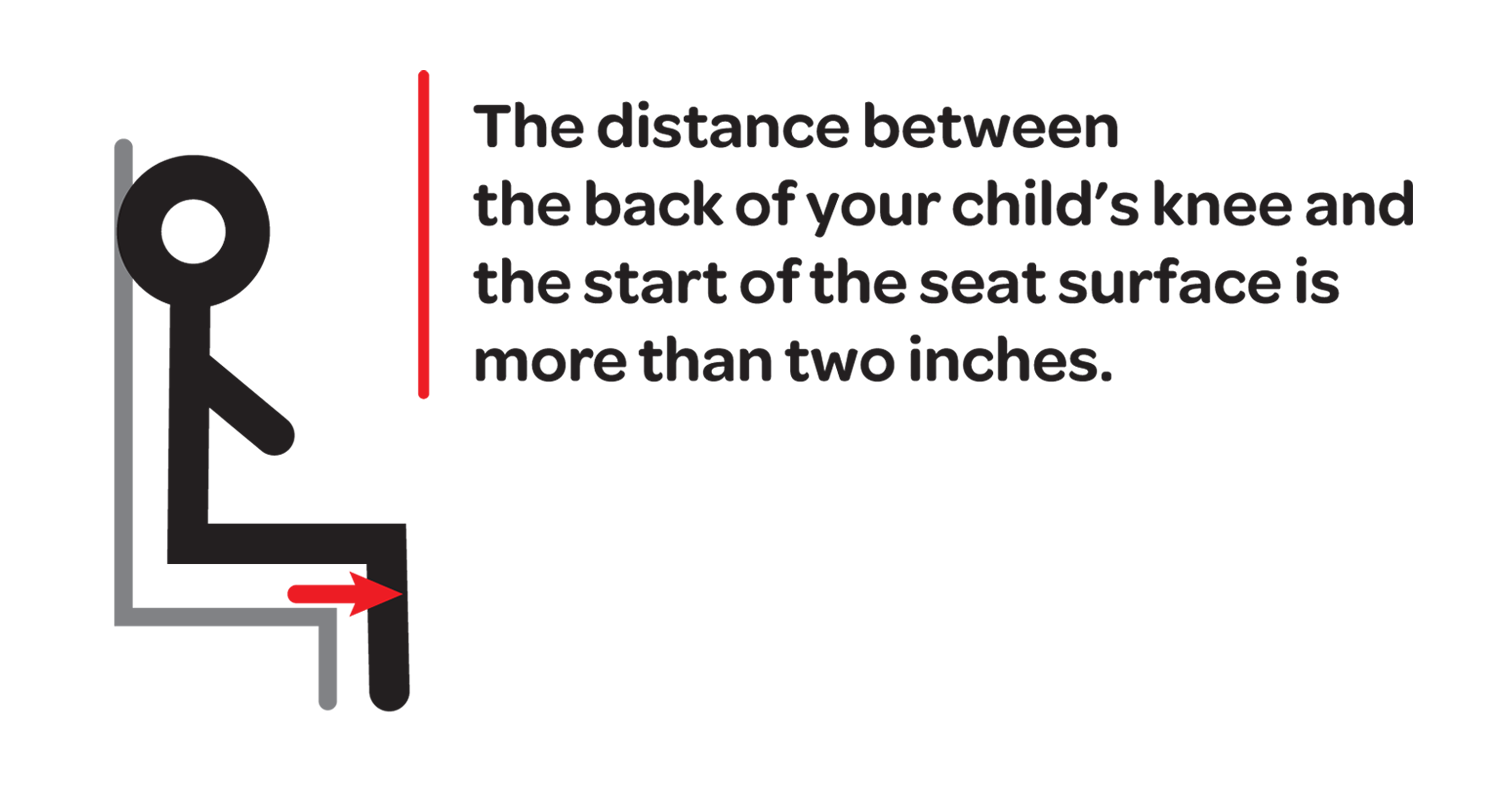
- Seat Depth: If your child’s knees are extending far past the front edge of the seat cushion, the seat depth is too short. The distance between the edge of the seat and the back of the child's knee should be no more than 2" to properly support the thigh, maximize the weight-bearing surface, and prevent uncomfortable pressure points.
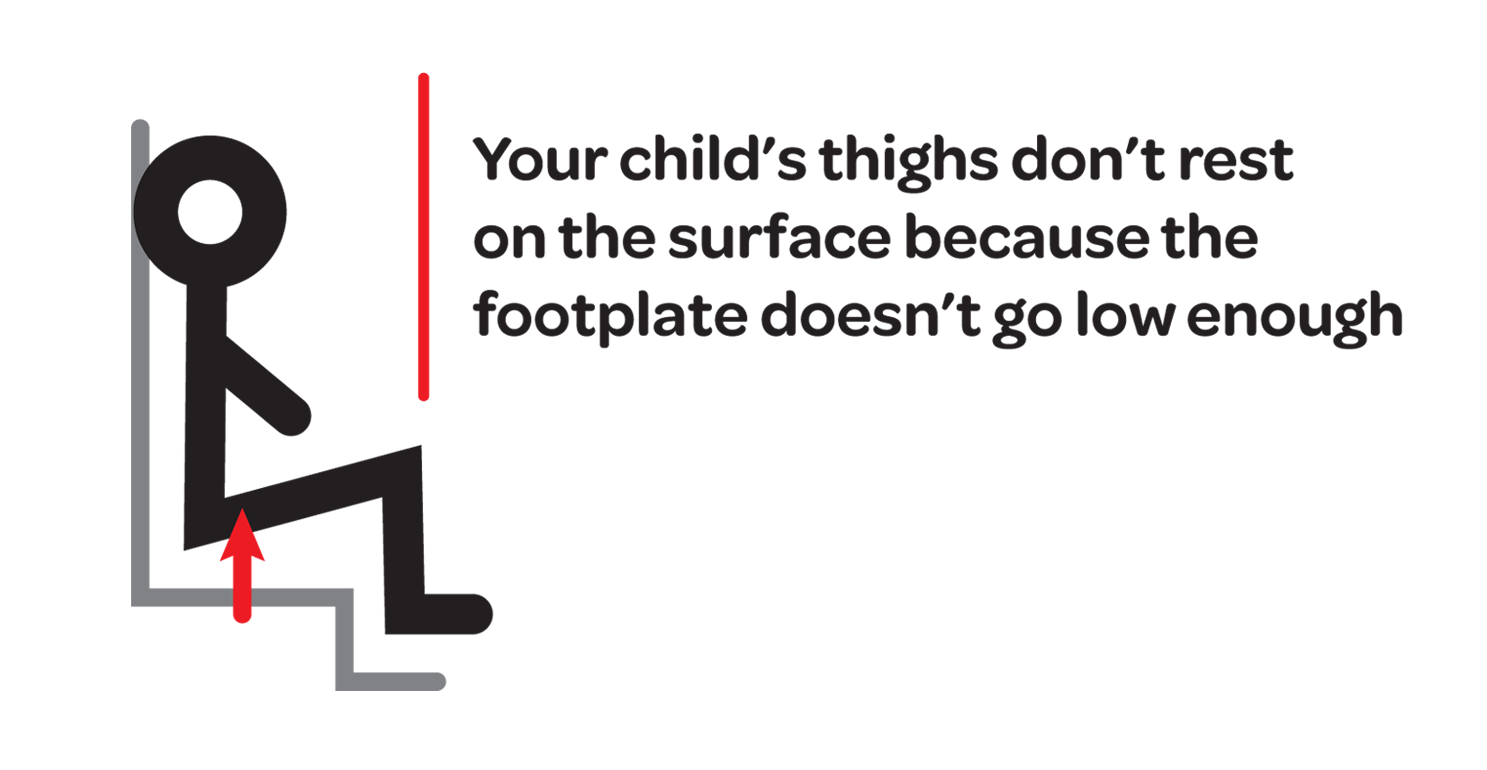
- Footrest Height: If your child's thighs don't rest on the seat surface because the footplate doesn't go low enough, the footrest height is no longer adequate for their growing legs. When the footplate cannot be lowered any further, the knees are forced too high and you lose that ideal 90/90 degree bend at the hip and knee, compromising their overall stability and comfort.
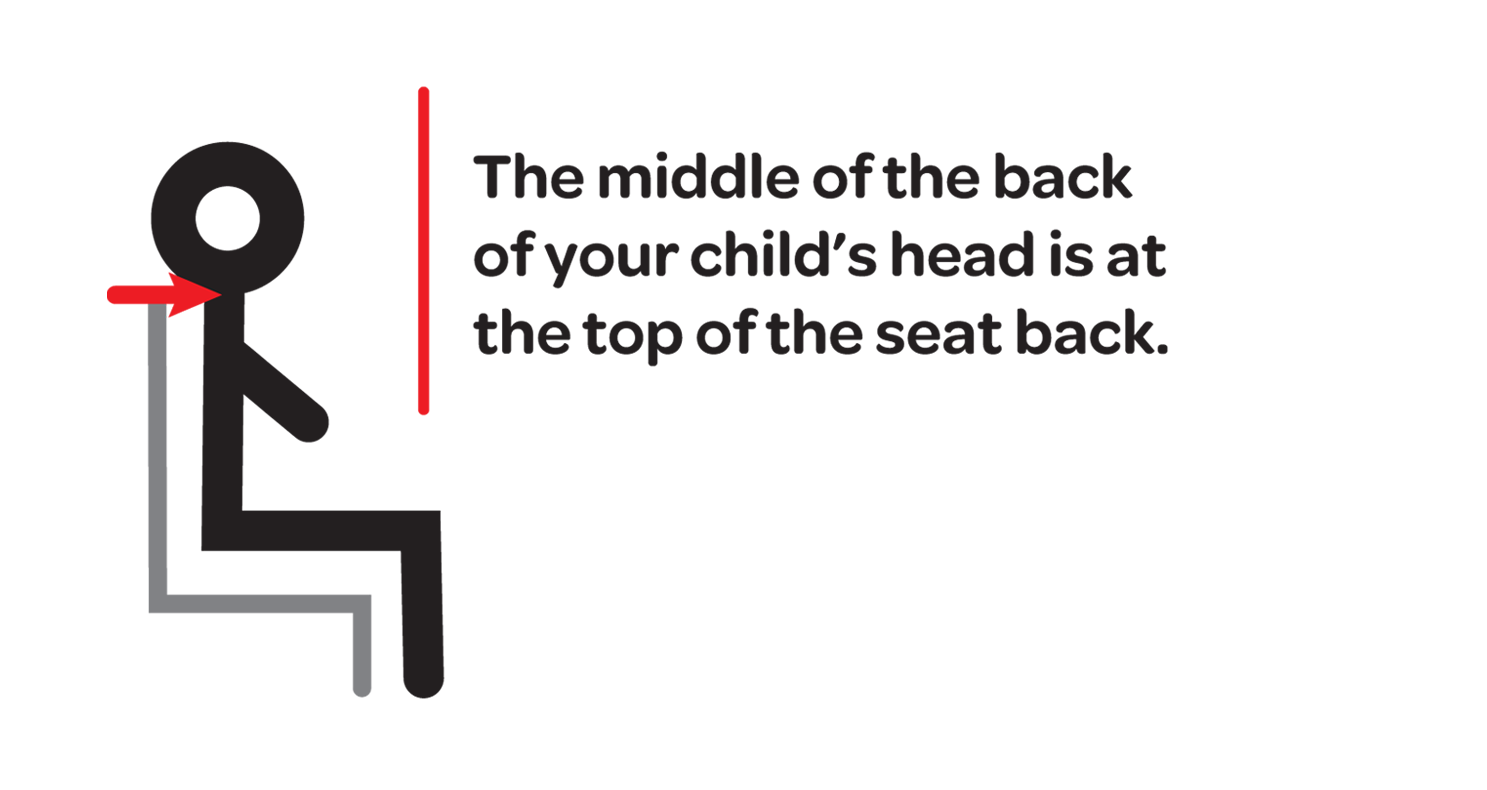
- Backrest Height: The top of the backrest or headrest should properly align with your child’s head and neck anatomy. If the support sits too low (e.g., hitting below the shoulder blades on a high-back system), it can compromise head control and trunk stability.
- Weight Capacity: Every seating system has a strict manufacturer maximum weight limit. Exceeding this capacity compromises the mechanical integrity of the frame and can render the system unsafe.
2. Clinical & Postural Changes
Sometimes a child’s body changes in ways that aren't just about height and weight. Shifts in muscle tone, orthopedic alignment, or functional abilities can mean their current style of seating no longer provides adequate therapeutic support:
- Loss of Pelvic Alignment: If you find your child constantly sliding forward into a sacral sit (slouching), or if their pelvis is tilting or rotating out of a neutral position, the current seat contour or harness system may no longer be managing their muscle tone effectively.
- Compromised Skin Integrity: Red marks, pressure sores, or skin irritation that do not fade within 20 minutes of removing your child from the seat are major red flags. This indicates that the foam cushions have compressed or that the child's posture has shifted, creating dangerous pressure points.
- Increased Fatigue or Postural Collapse: If your child is working harder to keep their head up, leaning heavily to one side, or showing signs of fatigue more quickly during play or mealtime, they likely require a system with more advanced lateral, anterior, or tilt-in-space support.
3. Excessive Equipment Wear and Tear
Therapeutic equipment works hard every single day. Over time, structural components can break down, impacting both safety and therapeutic benefit:
- Structural Integrity: Inspect the base, frame, and hardware regularly. If there are cracks in a wooden or plastic base, bent metal frames, or stripped adjustment dials, the system is no longer secure.
- Foam and Material Breakdown: Specialized contouring and pressure-molded foam cushions degrade over time. If the material feels "bottomed out," permanently compressed, or is peeling and tearing, it can no longer distribute weight evenly or reduce skin shear.
- Harness & Strap Degradation: Frayed straps, broken buckles, or hook-and-loop fasteners that no longer hold securely are critical safety hazards. If a premium positioning harness cannot be safely repaired or replaced with standard parts, the entire system must be evaluated for replacement.
We Are Here to Support You!
Navigating adaptive equipment transitions can feel overwhelming, but you don't have to do it alone. Ensuring your child has the right fit is essential for their long-term health, posture, and happiness.
If you notice any of these signs, or if you just want an expert opinion on your current setup, our team of positioning experts and therapists is always here to help you find the next perfect fit.
Give us a call today at 1-800-371-2778 to discuss your child's specific seating needs!
With Patience and Understanding,
The Adaptive Mall Team